The Daily Switchboard:
A Simple Plan That Helps You Enjoy Work More and Steady Your Company Cash
Most business owners do not fail because they lack talent. They fail because the day eats them alive.
The phone pings. A customer complains. A supplier chases payment. A staff member needs help. By lunch, you feel tired. By evening, you feel behind. Then you tell yourself you will “sort it tomorrow.”
This post gives you a plan that works like a switchboard. You flip a few switches each day. Over time, your stress drops, your work feels cleaner, and your company cash stops leaking.
I’m attaching a short paper with the deeper research spine. This post keeps the ideas simple and usable.
Start with the story in your head, because it drives the day
Your inner voice shapes your speed.
If you keep hearing “I can’t catch up,” you will hesitate. If you keep hearing “I move first,” you will move.
Each morning, before messages and meetings, take two quiet minutes.
Picture one clear scene from a better life. Keep it ordinary.
You walk into work. The place feels calm. You know the plan. You feel proud.
Then say one line that matches the scene.
“I move first. I finish what matters.”

This will sound small. Small things repeat. Repetition changes behaviour.
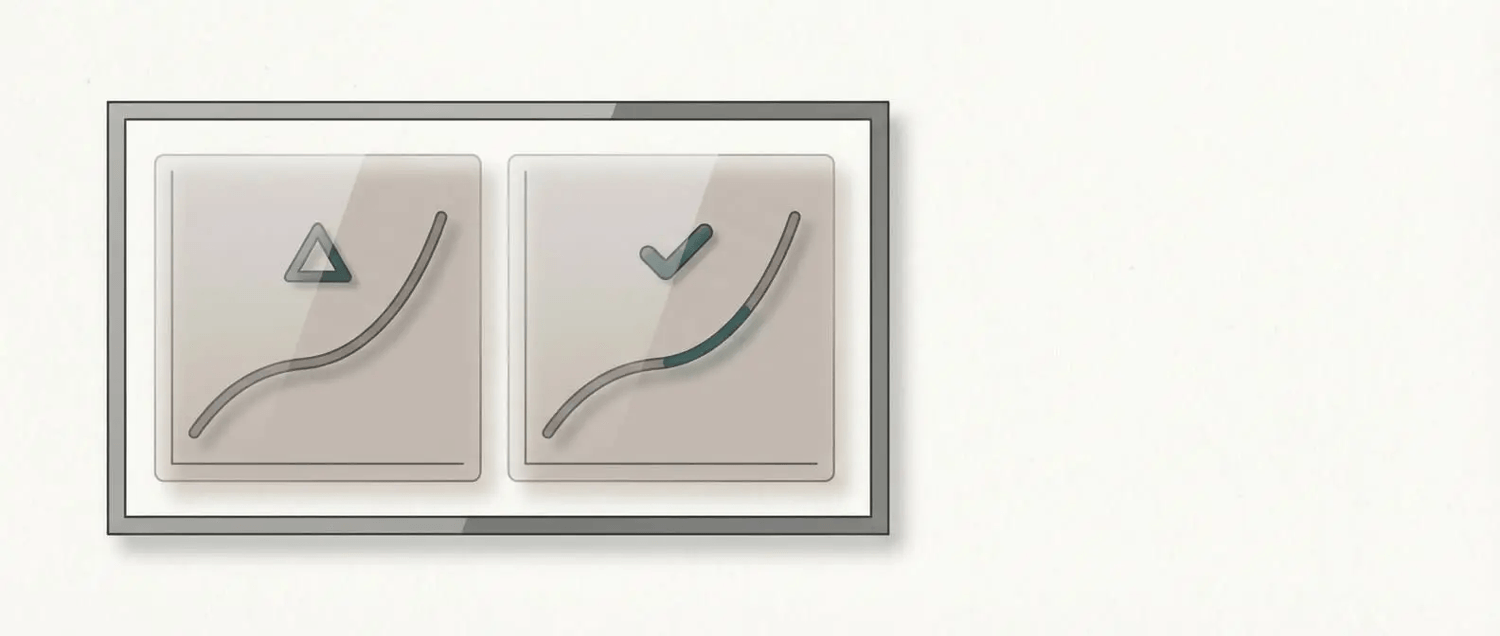
Choose one target for the next 90 days
Most owners carry ten goals at once. That makes every choice harder.
Pick one target that reduces pressure the most. For many businesses, cashflow pressure drives most stress. So choose a cash target that protects you.
Good examples:
A cash buffer equal to 3 months of fixed costs
A service income target that covers overhead
A pipeline target: a clear number of strong leads each month
Write the number. Put a date. Put it where you will see it daily.
Now you have a compass.
Protect the first hour of your workday
You do not need more time. You need a better first hour.
Guard the first 60 minutes. No meetings. No WhatsApp. No scrolling. No “quick” calls.
In that hour, do one action that moves money forward.
Examples:
Follow up five warm leads
Send three proposals
Call one referral source
Fix one broken step in your sales process
Chase one overdue invoice with calm firmness
This first hour acts like the ship’s engine. If you start clean, the day runs better.

Remove one daily noise source
Your mind works like a workspace. Clutter ruins the work.
Choose one noise source you will remove for 30 days:
No random scrolling before lunch
No gossip talk in the office
No news doom loop during work hours
No “busy talk” that replaces real decisions
You will feel a gap at first. That gap holds power. You can use it for learning and action.
Build job satisfaction through skill, rather than fantasy.
Many owners feel trapped by their own business. They carry the whole load. They solve everything. They feel tired and resentful.

Job satisfaction grows when you build skill and control.
Pick one skill that will make work easier and income steadier. Practise for 30 to 60 minutes a day.
Good “owner skills”:
Calm sales conversations
Pricing and quoting that protects margin
Negotiation with suppliers
Delegation and coaching
Systems for follow-up and invoicing
Marketing that brings the right leads, not time-wasters
Do not wait for motivation. Start. Let motivation arrive after movement.
Shape your environment so the right actions feel easy.
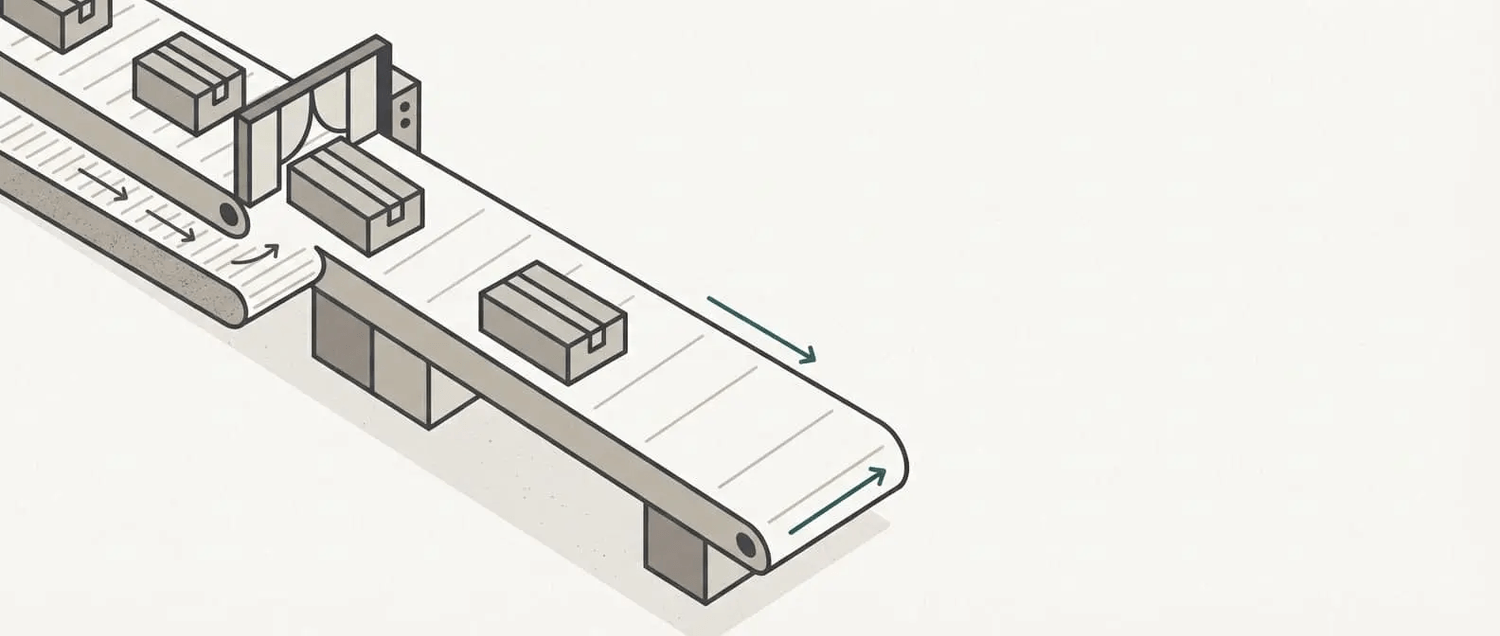
Willpower runs out. Systems keep running.
Set up simple defaults:
A daily focus slot on your calendar
A single page checklist for your money-first hour
Templates for proposals and follow-ups
A shared team board for jobs and deadlines
Remove friction where you can. Add friction where you must.
Make good actions easy. Make bad habits annoying.
Treat your body as business equipment.
Your body drives your decisions. Low energy creates poor choices.
Choose two rules for 30 days:
Sleep at a steady time
Walk every day
Drink water early
Eat a real lunch
This does not aim at looks. It aims at better judgement, patience, and output.

Use a “hit plan” for bad days
Bad weeks come. They always do.
When something hits you, use three questions:
What happened in plain words?
What did I learn?
What small action restores forward motion today?
This stops spirals. It keeps compounding alive.
Teach while you climb
Once per week, teach your team one thing you learned. Ten minutes.
This does two things.
It makes your learning stick.
It also lifts the whole company.
You can also share one short lesson online. Keep it useful. Keep it honest. People trust calm competence.

Protect trust like cash
Trust reduces friction. Trust speeds deals. Trust brings referrals.
Choose one trust habit and hold it:
Reply when you say you will reply
Confirm next steps in writing
Invoice clearly and on time
Pay suppliers on time when possible
This works like oil in an engine. It reduces heat.
Build one steady “extra stream”
Many businesses rely on one river. When it slows, panic starts.
Build one extra income stream that fits your company and uses what you already know.
Examples:
Service plans and maintenance packages
Seasonal checks and inspections
Upgrade bundles
Training and handover sessions
Secure storage or aftercare programmes
Start small. Offer it first to existing customers. Improve it as you go.
Measure what matters, and steal back your spare minutes
Track a few numbers daily or weekly:
Cash in bank
Money owed to you
New leads
Proposals sent
Sales closed
One skill practice metric
Numbers remove confusion
Also, use spare minutes with intent. Learn during a walk. Review notes while waiting.
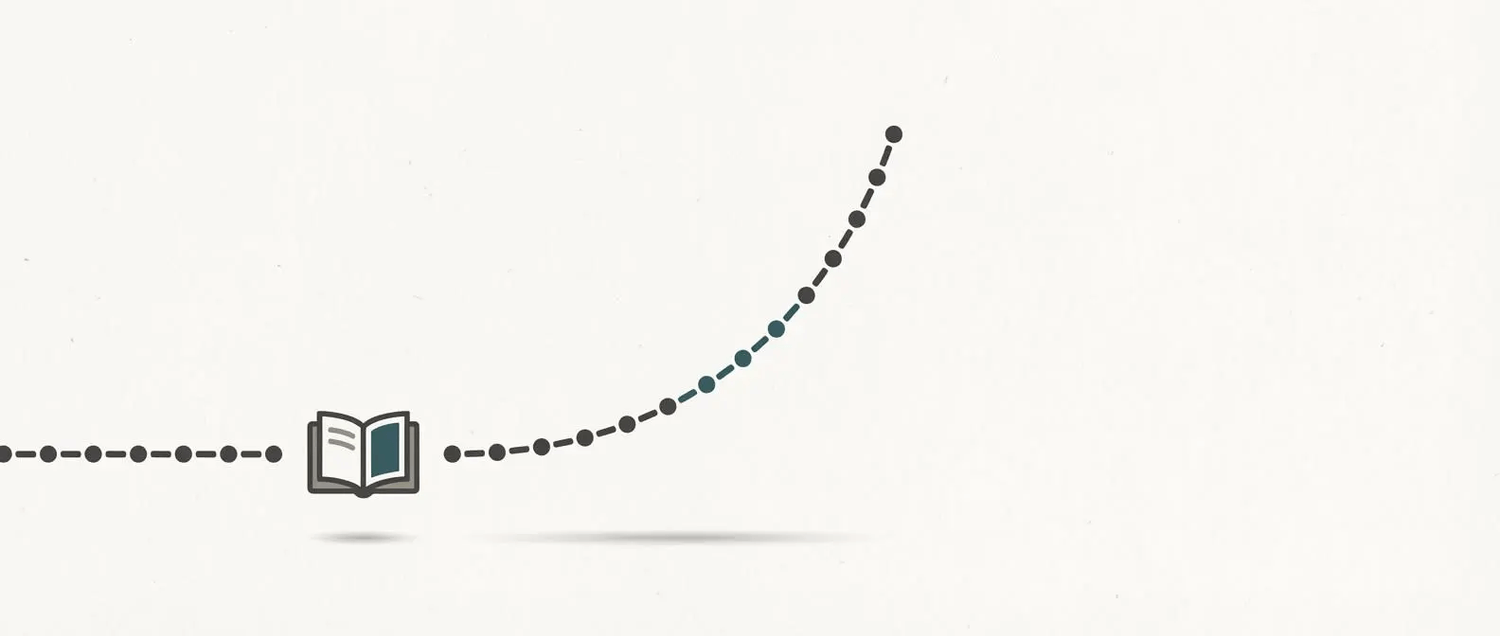
Send one follow-up during a quiet gap
You do not need more hours. You need better use of the hours you already have.
Do one money action today, within one hour
Do not make this a “nice read.”
Take one small action in the next hour:
Send one follow-up message
Cancel one useless subscription
Set an automatic transfer to savings
Block the daily money-first hour on your calendar
Chase one overdue invoice with a clear, polite message
Small actions break inertia. Repeated daily, they build momentum.

Why It Matters to Small Businesses and Family Enterprises
Large companies can waste money and survive. Small businesses and family firms do not get that luxury.
When cash runs tight, everything feels personal. You feel it at home. You feel it in the office. A late payment does not just change a spreadsheet. It changes sleep, mood, and patience.
Small firms also run on a few key people. If you lose energy, the whole machine slows. If you lose focus, the whole team feels it. If you carry stress into the room, others breathe it in.
Family businesses face an extra pressure. Work and family sit close together. A bad week at work can spill into dinner. A disagreement about money can turn into a disagreement about respect. People do not argue only about numbers. They argue about meaning.
That’s why the “daily process” matters more for you than for a big company.
A simple routine does three things:
It protects cash
A steady “money-first” hour keeps leads warm, invoices moving, and costs watched. This reduces surprise and panic.
It protects relationships
Clear targets and calm systems reduce blame. People know what matters. People know what comes next. Less guessing means fewer fights.
It protects the owner
When you run a small firm, you act as engine and steering wheel. Your energy and clarity matter. A daily plan gives you control and job pride again.
If you want one sentence to hold onto, keep this:
Small businesses do not need more hustle. They need cleaner defaults and steadier days.
A final note
You can run a business and still enjoy your day. You can protect your energy and protect your cash. You can feel proud of the work again.
You do not need a new personality. You need a daily process.
Start today. Pick one target. Guard one hour. Take one action.
Downlaoad Stephen's full academic paper here.
Stephen Bray neither sells nor hides. You can learn more about him here.
© 2025 Stephen Bray. Patterns in life and business, simply told.