Understanding Jaguar’s Risky Rebrand. What It Teaches About Story, Status, and Strategic Identity
When a legacy brand rewrites its story, it either reclaims its future, or erases its edge.
Jaguar Land Rover has made a bold move: retiring its traditional branding and repositioning Jaguar as a high-end, all-electric luxury marque. Gone is the “Growler” logo, the leaping cat, and much of the old British nostalgia. In its place: a cleaner, quieter, forward-facing vision meant to compete with Tesla and Bentley, not BMW or Audi. It’s a strategic gamble. And a fascinating case study in how brand legacy, cultural roots, and future ambition can either blend beautifully or blow up spectacularly.
What’s Really Going On
Jaguar isn’t just refreshing its badge. It’s recasting its identity.
And here’s why:
Electrification has changed the rules.
Once, luxury meant silence, smoothness, reliability, and speed.
Now? Even a budget EV offers that.
As Rory Sutherland notes, “Quietness, performance, and reliability are now universal.”
In a world where the product gap narrows, story becomes the differentiator.
That’s what Jaguar is chasing: a new story.
Pros of the Rebrand
✅ A Clear Strategic Shift
By dropping mass-market aspirations, Jaguar can aim higher, price smarter, and streamline production around exclusivity.
✅ Targeting the Future Buyer
Today’s luxury buyer is younger, digitally native, and indifferent to nostalgia. Jaguar’s move speaks to them, not their fathers.
✅ Brand Simplification
Cleaner identity. Sharper message. Less clutter. That’s how luxury operates.
✅ Positioning for AI & EV Cycles
With AI disrupting interfaces and EVs rewriting the driving experience, Jaguar is building a blank slate — not patching an old playbook.
Cons of the Rebrand
❌ Risk of Cultural Dislocation
Sutherland warns, “If you try to be a citizen of everywhere, you become a citizen of nowhere.”
Jaguar’s Britishness wasn’t baggage. It was ballast.
❌ Loss of Loyalty
When you shed the symbols your customers love, you risk more than their approval. You risk their identification.
❌ All Talk, No Car
As Rory Sutherland bluntly puts it:
“Brands without products aren’t really a thing.”
Until new Jaguars hit the road, this rebrand is theory. No growl, no traction.
Frequently Asked Questions
1. Why did Jaguar take this risk now?
They saw the writing on the factory wall: competing on performance is a dead end in the EV era. Brand story, exclusivity, and price elasticity are where the margins and the magic now live.
2. What does this teach about brand evolution?
That nostalgia is a liability if it traps you. And a superpower if you know how to reinterpret it.
3. Could this backfire?
Yes. If the new Jaguar has no heartbeat, it won’t matter how modern the logo is. Consumers smell fear. They crave meaning.
4. What would Rory Sutherland say?
He’d say: Do something weird, specific, memorable. Don’t chase efficiency—chase identity.
Brands that try to “make sense” often vanish into noise. Great brands signal meaning before they deliver function.
5. Should other family businesses or legacy brands take note?
Absolutely. The lesson here isn’t about cars. It’s about timing, courage, and storytelling in a saturated world.
Drive the Brand Story Forward, Before the Road Vanishes
Contact me if you're brand identity is in the blues. I won't be as unkind as Jaguar.
👉 You’ll see how timing, culture, and narrative fit together
👉 Learn to apply the Jaguar lesson to your own boardroom
👉 And use the FAQs above to guide your next leadership offsite
Because whether you're running a luxury car brand, a sixth-generation winery, or a second-generation service firm.
Your brand doesn’t just sell a product. It sells a story about what matters now.
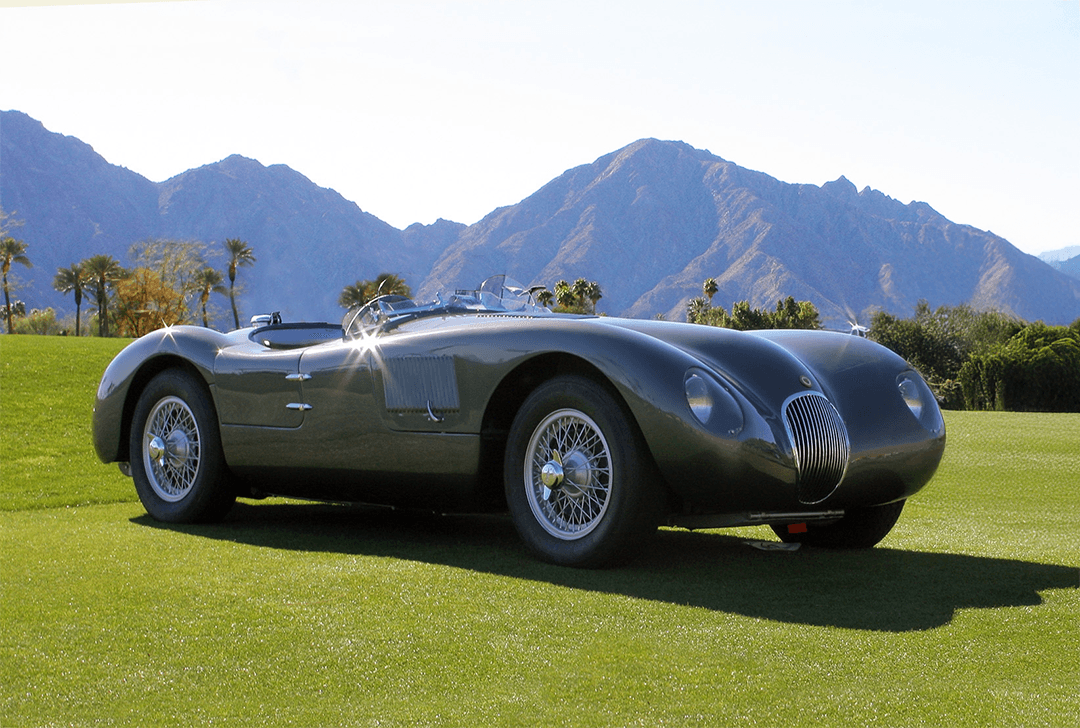
Top image courtesy Jaguar Land Rover
Stephen Bray works with business owners who’ve had enough of the noise. Less spin, more truth. You’ll find him behind the mirror here.
© 2025 Stephen Bray. Patterns in life and business, simply told.