Effortless Power: What Old Money Still Teaches Us About Influence
Why business owners gain an edge when they stop signalling effort and start signalling ease
People often treat “old money style” as a matter of crested stationery and beige cashmere. A costume. A mood board. Something pinned, purchased, or performed. Yet the older tradition, the one Castiglione outlined in The Book of the Courtier, has nothing to do with money. It concerns influence. It concerns survival. And it concerns the quiet authority that surrounds people who appear deeply comfortable in their own skin.
This matters for business owners because most signalling in our world comes from insecurity. The middle-class desire for safety creates leaders who over-explain, over-dress, over-perfect, over-prove. Effort spills through every seam. Castiglione warned against this centuries ago. If you want trust, you must not sweat. If you want authority, you must not beg for it. People follow the one who looks untroubled while everyone else tightens their jaw.
Below is a mentor’s reflection on how to cultivate the older style of influence—grace without effort, power without noise, confidence without performance.
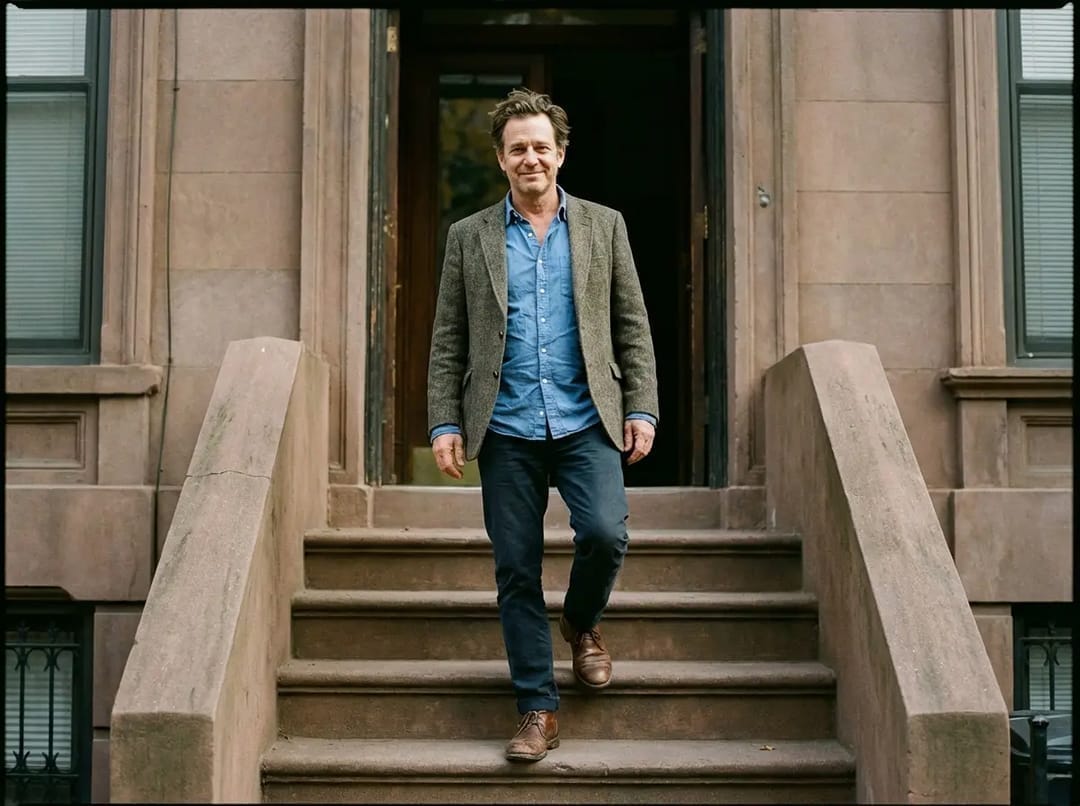
The opposite of over-preparation.
1. Master the Art of Effortless Competence
Castiglione called it sprezzatura—the ability to make the difficult look easy.
In practice, it looks like this:
You handle setbacks without advertising them.
You negotiate with calm, even when the stakes rise.
You speak lightly, even when you understand deeply.
You allow silence to do half your work.
Modern elites still operate this way. Bankers who run vast empires stay quiet in meetings. Heirs in old families downplay their responsibilities. The absence of visible effort reads as strength. Effort reads as strain.
For a business owner, this does not mean withholding real work. It means concealing friction. Customers trust the captain who steers calmly, not the one who narrates every wave.
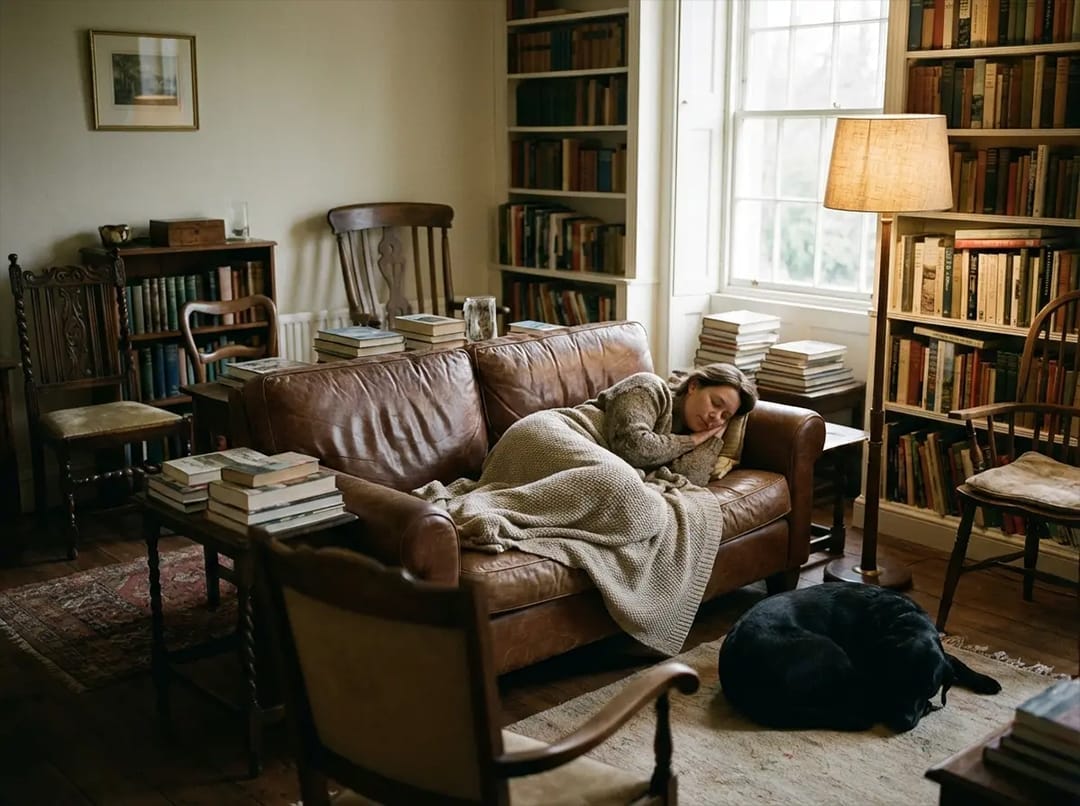
Relax And Let Go.
2. Wear Ease Like a Uniform
Old money rarely dresses to impress. It dresses to relax. That relaxation becomes a signal.
Consider the contrast:
The anxious professional: immaculate suit, polished shoes, everything perfect.
The confident leader: slightly frayed shirt, comfortable tweed, worn leather, open collar.
Perfection signals effort. Effort signals nervousness. Nervousness breaks trust.
This does not exclude outliers. Look at David Bailey. Working-class roots, East End swagger, yet he carried an unmistakable old-money quality: he refused to try. He dressed simply. He spoke directly. He acted as though the world needed to catch up with him. That confidence, unforced, unapologetic, placed him in the same category as aristocrats who never explain themselves.
The lesson: people respect ease because ease implies mastery. You need not mimic aristocracy. You can simply stop performing.
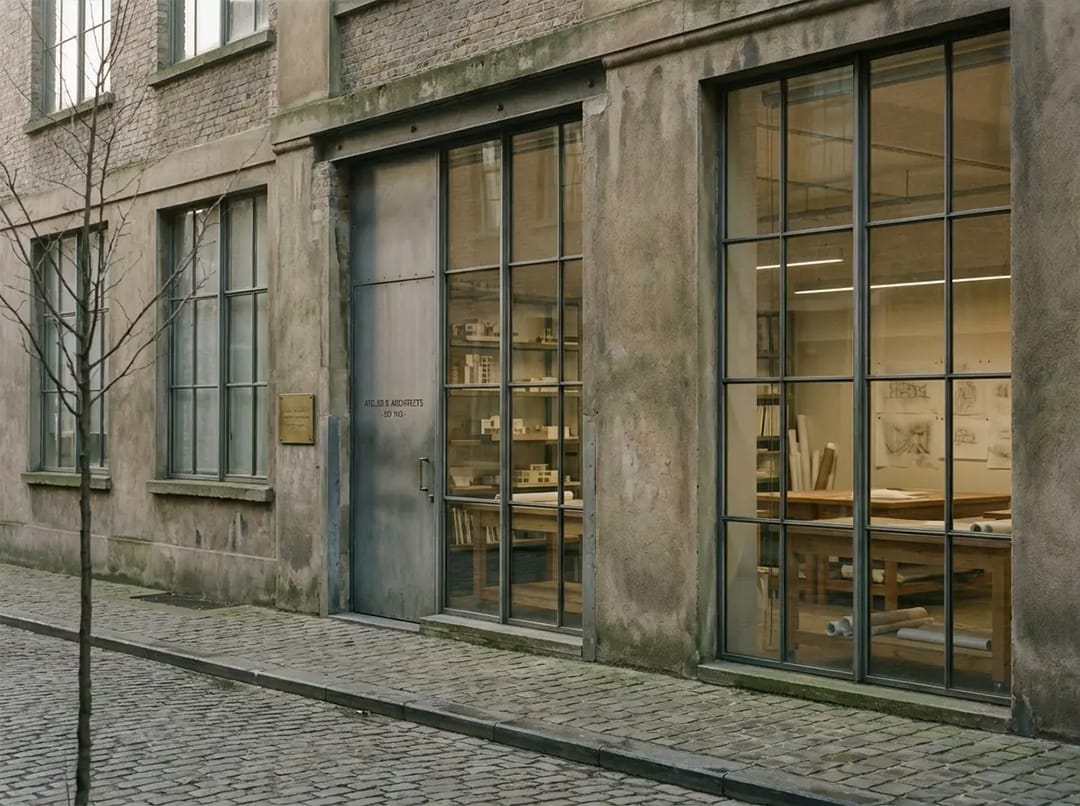
Wealth without display.
3. Let Your Environment Whisper, Rather Than Shout
The old estates of Europe reveal a rule: luxury feels less impressive when shouted, more impressive when understated.
A bank lobby made of marble announces new money.
A family office in a slightly drafty townhouse announces permanence.
Old money’s interiors suggest, “We have been here long enough not to care.”
For a business owner, the translation becomes simple:
Design your office for comfort, not spectacle.
Allow something to feel lived-in.
Avoid impressing through surfaces. Impress through stability.
Your environment shapes how people feel in your presence. Ease in the room creates ease in the conversation.

Let Others Speak To You.
4. Speak Less. Listen More.
Castiglione’s perfect courtier knew everything yet hid it. He spoke sparingly. He never sounded like a lecturer.
Think of the Warburgs, the Rothschilds, or any of the old banking dynasties.
Their rule was silence:
No jargon.
No raised voices.
No long explanations.
The one who talks least holds the most power.
The one who talks most tries to prove something.
Even Jacob Rees-Mogg, though divisive, embodies the old code in his manner: slow speech, absolute composure, an air of having all the time in the world. His influences may lie in high finance, but his presentation borrows from older aristocratic models: calm, measured, faintly amused. People may disagree with him, yet they rarely accuse him of striving. Old money signals “I’m not in a hurry.”
Middle-class safety compels people to justify their authority. Old money style assumes it.

Flexibility as strength.
5. Adapt Like Water, Rather Than Stone
Castiglione teaches that the courtier survives by adjusting to the prince.
Modern elites survive by adjusting to markets, geopolitics, and social moods.
Rigidity belongs to the frightened.
Flexibility belongs to the confident.
The business owner who clings to one idea breaks in a storm.
The one who flows around obstacles becomes the natural leader because he does not panic.
Influence increases when emotional weather stays calm.
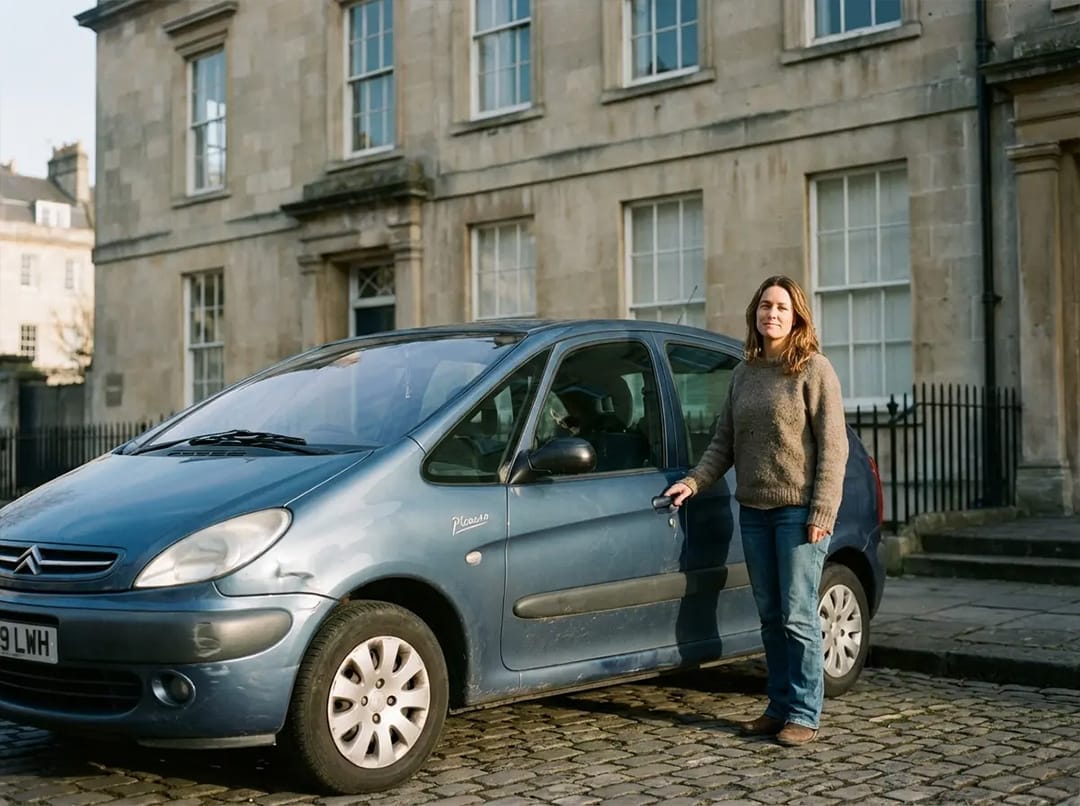
Unflashy success.
6. Manage Envy by Downplaying Luck
Old money learned a hard lesson: flaunted wealth produces resentment.
Resentment produces danger.
So they created a mask:
Everything looks accidental
Success looks inherited
Power looks like a burden
Privilege looks like duty
This mask remains relevant.
In today’s climate, a wealthy business owner must show:
generosity,
responsibility,
groundedness,
a sense of stewardship.
If you frame your position as service, not triumph, people trust you more.
It is not manipulation. It is clarity. Leadership earns its right to lead.
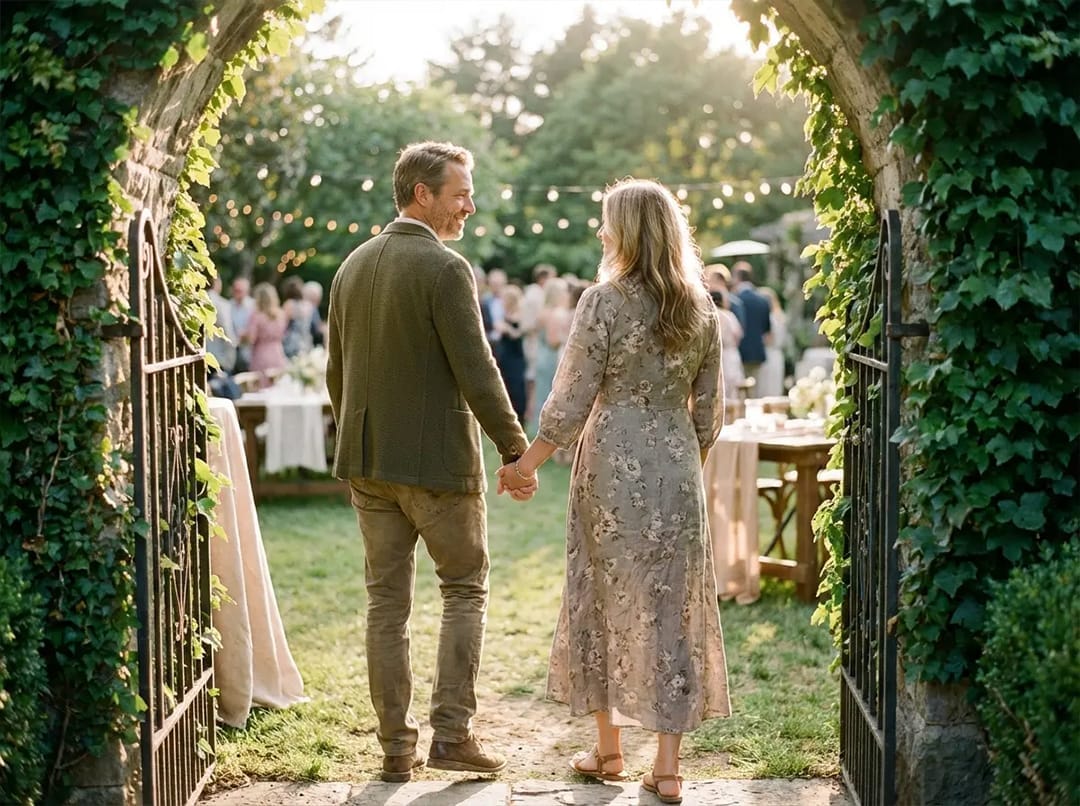
Presence without performance.
7. Cultivate Grace: the Hardest Soft Skill
Castiglione used the word grazia—a quality beyond etiquette.
Grace means:
moving well,
speaking lightly,
carrying pressure with ease,
entering a room without demanding attention.
This cannot be bought. Nor can it be rushed.
David Bailey had it.
Rees-Mogg performs it.
Agnelli lived it.
Talleyrand weaponised it.
Grace signals that you operate from a deeper centre.
People feel safe with someone who does not wobble.

Choosing freedom over safety.
8. Step Away From Middle-Class Safety
Middle-class safety creates:
striving,
overwork,
nervous signalling,
obsession with correctness,
presentation without presence.
The courtier avoids all this.
Old money avoids all this.
Anyone who wants real influence must avoid it too.
Safety keeps you small.
Ease lets you grow.
The world follows the person who looks as though he has already arrived.
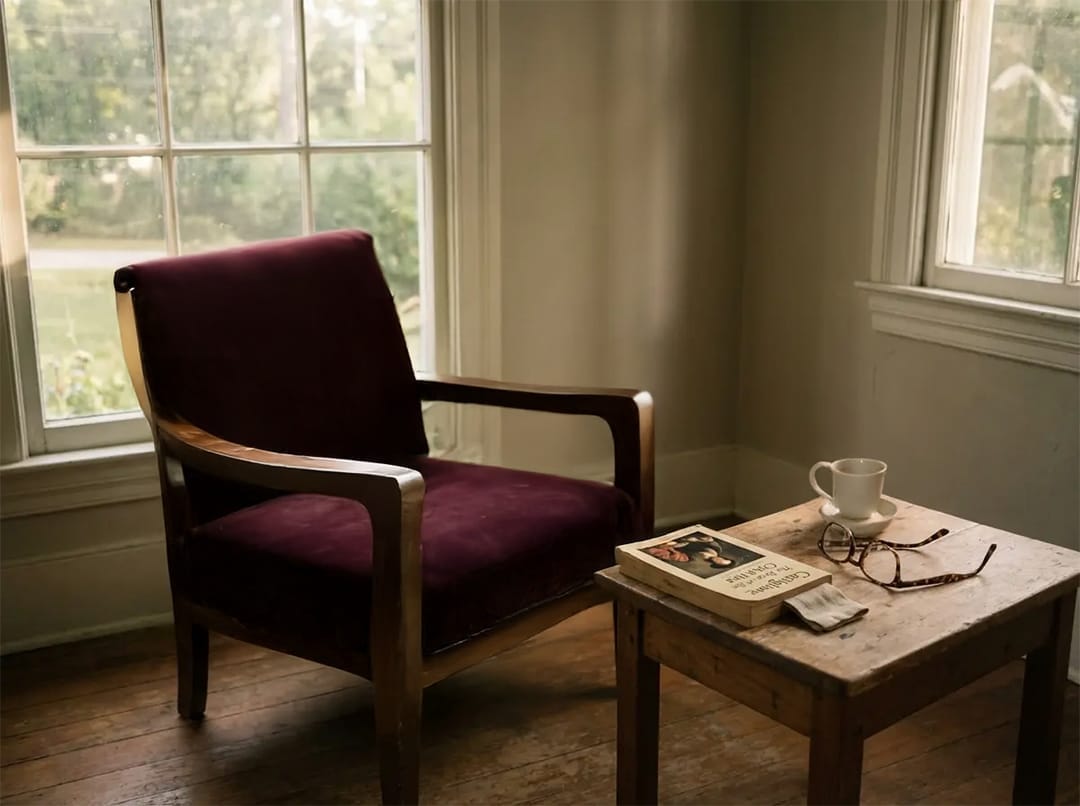
Calm within. Where influence begins.
Why This Matters Now
Because leadership depends on perception.
Trust depends on calm.
Influence depends on ease.
And the next generation of business owners will not win with louder tactics or sharper elbows. They will win by cultivating the older skills—those that hide effort, soften edges, and make mastery look natural.
Old money style does not require old money.
It requires confidence without bravado, competence without strain, and presence without performance.
A rare combination.
But the moment you practise it, you step into a different category of leader.
© 2025 Stephen Bray. Patterns in life and business, simply told.